


 Store Finder

Donaldson Recommended Strategies for Operating Modern Diesel Engines in Cold Weather
11 strategies from Donaldson, in their original order.
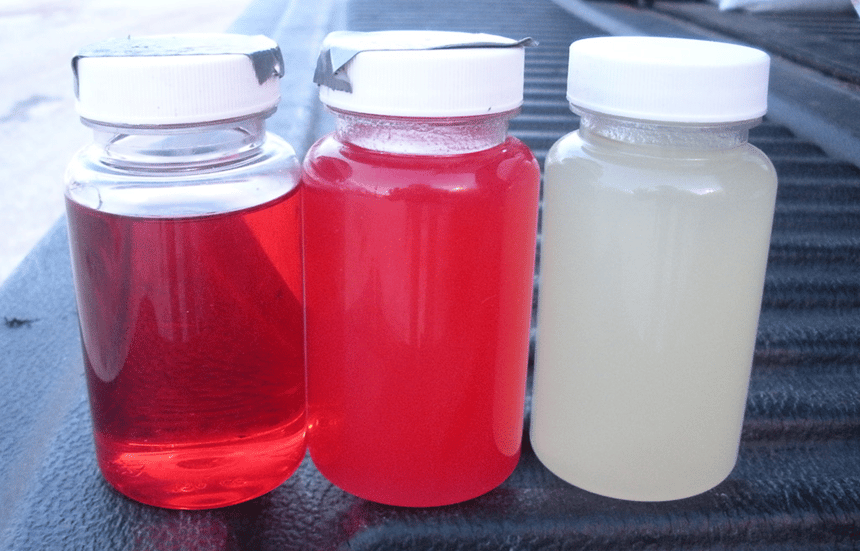
Strategies 1 to 4: Know Your Fuel Before You Buy It
- 1
Use the cloud point (temperature at which fuel becomes hazy) as your key indicator on how well your fuel will operate in cold conditions. The fuel itself begins to form filter plugging solids at about -15°C / 5°F above the natural cloud point.
- 2
Don’t be fooled by the Cold Filter Plugging Point (CFPP). CFPP is not intended to determine if fuel will pass through the filter on a modern HPCR fuel system; it was historically intended to indicate if gelled fuel can pass through a coarse screen protecting the fuel dispenser pump.
- 3
Have a discussion with your fuel supplier to determine what blend of #1 (winter) and #2 (summer) fuel you need for the next two weeks of operation.
- 4
Don’t purchase fuel in the fall and expect it to work in January. Try to purchase only enough diesel for 2-3 weeks of operation. The further below the cloud point fuel gets, the more solids form that will likely plug filters.
Strategies 5 to 8: Storage, Additives, and Filters
- 5
Housekeeping is key. Make sure your tank is free of water, sediment and microbes. Find a professional fuel tank cleaner. If tank cleaning is done improperly, it can cause more issues than it fixes. Water makes solids (ice crystals) in winter that plug filters. Full fuel tanks are less likely to form water.
- 6
If additional cold weather operability is required beyond your blend of #1 and #2 fuel, use cold flow additive sparingly to reach an acceptable cloud point for that week’s weather. NEVER add cold flow improver to cold fuel or add more than manufacturer recommended. Try not to splash blend cold flow additive if at all possible.
- 7
Top-off / fill your vehicle’s fuel tank at the end of the shift while it is still warm. This limits water condensation buildup in tanks.
- 8
NEVER switch to a more open (lower filtration efficiency) on-engine fuel filter with a modern HPCR system. If waxing is expected, take the fuel filters off the truck and move indoors for approximately 20 minutes, the wax should melt. If it doesn’t melt, then you are experiencing a fuel chemistry filter plugging issue.

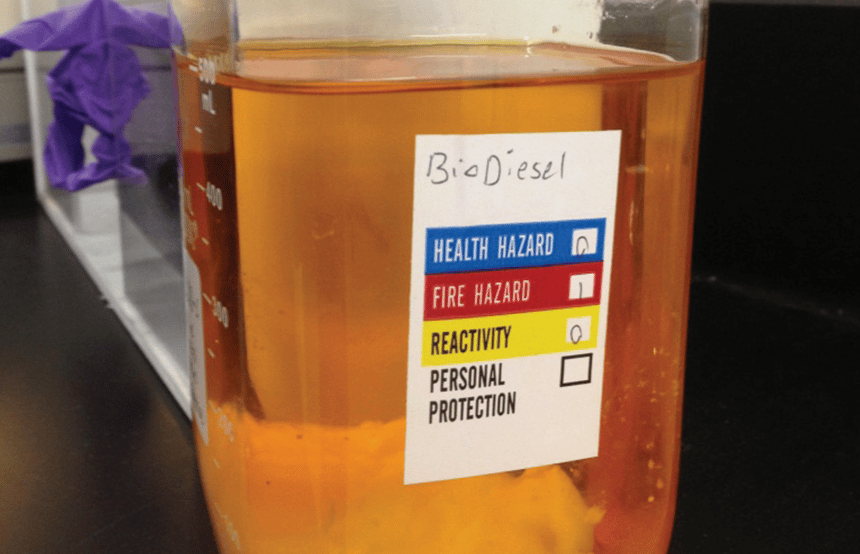
Strategies 9 to 11: Blends, Spares, and Dispenser Filtration
- 9
If you live in an area where biodiesel is not mandated, don’t use it in the winter months if possible. Bio-blends have poor cold weather performance compared to #1 and #2 fuel. At 5% blend or less, biodiesel is considered a lubricity additive and often not identified.
- 10
Keep an extra set of on-engine fuel filters in the equipment or vehicle’s cab.
- 11
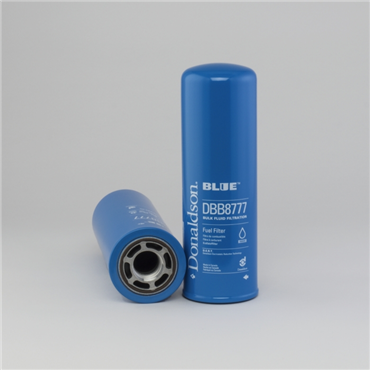
A general rule is to use a filter with the same micron and beta rating at the dispenser as your secondary on-engine fuel filter. However, in winter months the single pass winter fuel filter (DBB8777) on your storage tank can be used to maintain flow. This will ensure that any likely fuel quality issues are captured before the fuel enters the engine.
Featured: Donaldson DBB8777 Spin-On Fuel Filter
Per Donaldson Strategy 11, in winter months the single pass winter fuel filter (DBB8777) on your storage tank can be used to maintain flow. Shop it at Applied®.
- Applied Item #111796078
- Outside Diameter4.61 in
- Thread Size1 3/4-12 UN
- StyleSpin-On
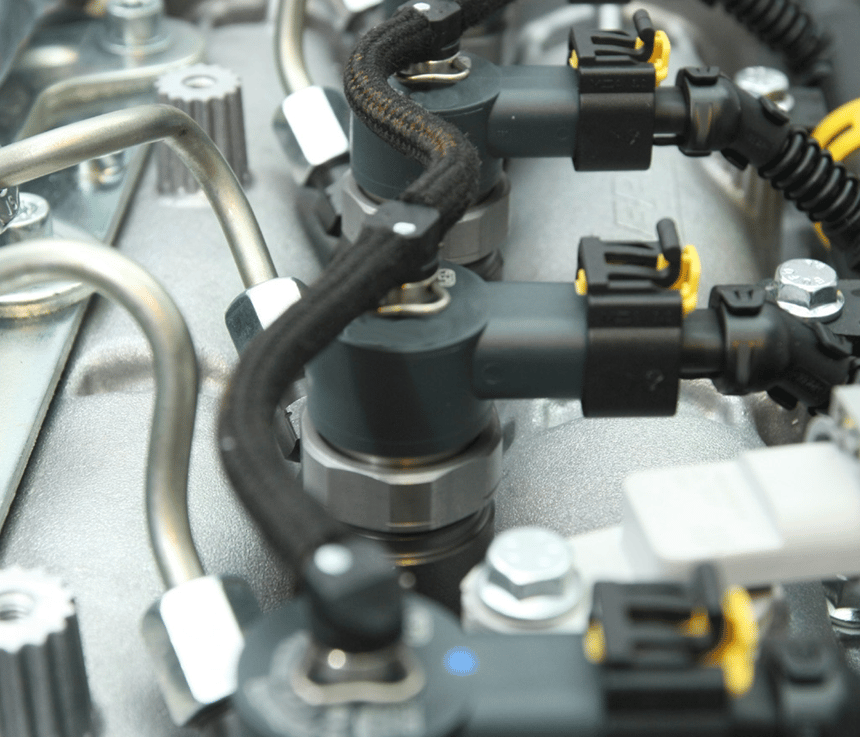
Shop More Donaldson Filtration
Browse Donaldson filter housings, pneumatic filtration, and hydraulic filters at Applied®.
Shop All Donaldson